
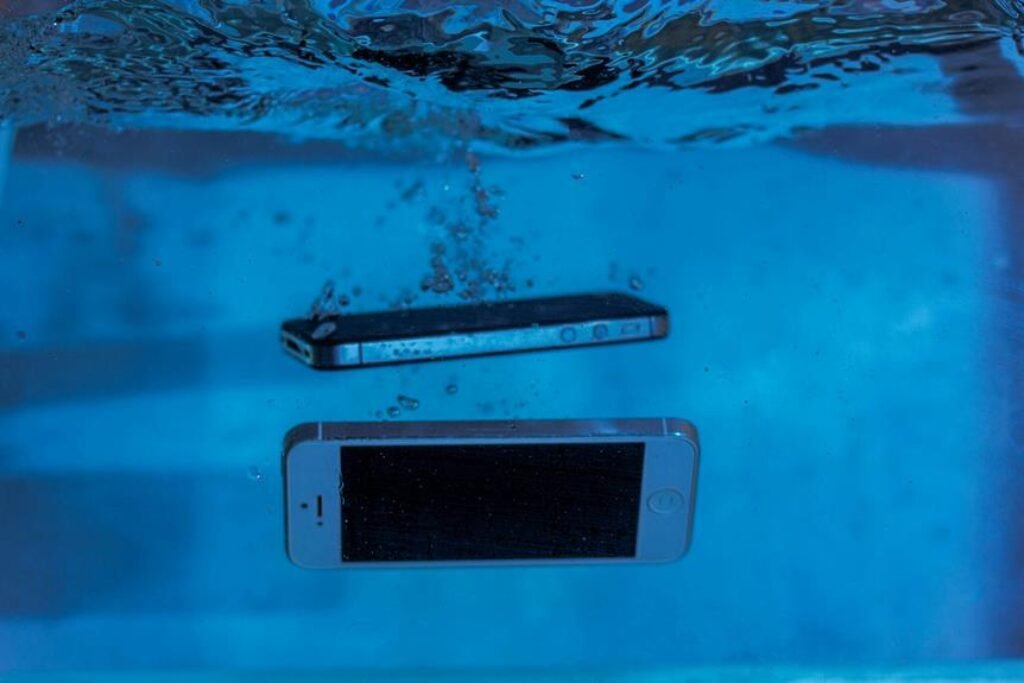
Ever wondered how your water-resistant smartphone defies the odds and keeps moisture at bay? The secrets lie within a clever combination of advanced technology and intricate design elements, meticulously crafted to safeguard your device from water-related mishaps. From specialized seals and gaskets to innovative water-repellent coatings, each component plays a crucial role in fortifying your smartphone against liquid intrusion. But there’s more to this intricate process than meets the eye. Intrigued to uncover the science behind this modern marvel? Stay tuned for a deeper dive into the fascinating world of water-resistant smartphones.
Seals and Gaskets for Protection
To keep water out of your smartphone, manufacturers use seals and gaskets to create a barrier against moisture. These seals are typically made from rubber or silicone and are placed around vulnerable areas like the charging port, headphone jack, and SIM card tray. By ensuring these entry points are tightly sealed, water is less likely to seep into the internal components of your device.
Gaskets, on the other hand, act as additional protection by filling in any tiny gaps between different parts of the phone. They’re commonly found around the edges of the phone where different materials meet, such as between the display and the frame. This helps to prevent water from finding its way into the internal circuitry.
Regular maintenance, such as checking the condition of these seals and gaskets periodically, can help ensure the water resistance of your smartphone remains effective. Remember to replace any damaged seals promptly to maintain the integrity of the protective barrier they provide.
Water-Repellent Coatings on Components
Water-resistant smartphones incorporate water-repellent coatings on key components to enhance their protection against moisture infiltration. These coatings act as a barrier, preventing water from seeping into vulnerable areas of the device. By applying hydrophobic materials to critical parts such as circuit boards, connectors, and other sensitive electronics, manufacturers can significantly reduce the risk of water damage.
The water-repellent coatings work by forming a thin layer that repels water on contact, causing it to bead up and roll off rather than being absorbed. This technology helps safeguard internal components from corrosion and short circuits that can occur when water comes into contact with delicate electronics. Additionally, these coatings can improve the overall durability of the device, making it more resilient to accidental spills or exposure to rain.
Specialized Waterproof Materials Used
How do manufacturers enhance the water resistance of smartphones through the use of specialized waterproof materials? One key material used is silicone, which creates a seal around vulnerable areas like ports and seams, preventing water from seeping in. Another common material is rubber gaskets, which provide an extra layer of protection by forming tight, water-resistant seals. Additionally, manufacturers often use specialized adhesives that aren’t only strong enough to hold components together but also have water-resistant properties to keep moisture out.
Some smartphones feature specially designed water-resistant films that cover internal components, safeguarding them from water damage. These films act as barriers, shielding delicate circuitry from water intrusion. Furthermore, some devices incorporate hydrophobic nano-coatings, which repel water on contact, ensuring that liquid slides off the surface without causing harm.
Testing and Certification Standards
Manufacturers subject water-resistant smartphones to rigorous testing and certification standards to ensure their durability against water exposure. These standards are crucial in determining the level of protection a device offers against water damage. The testing procedures typically involve simulating real-world scenarios where the phone may come into contact with water, such as immersion in water tanks or exposure to high-pressure water jets.
One of the most common certification standards for water resistance is the IP rating, which stands for ‘Ingress Protection.’ The IP rating consists of two numbers – the first indicates protection against solid particles like dust, while the second pertains to water resistance. For example, an IP67 rating means the device is dust-tight and can withstand immersion in water up to 1 meter for 30 minutes.
Manufacturers often conduct additional internal testing to ensure their devices surpass these industry standards. By meeting or exceeding these rigorous testing and certification standards, water-resistant smartphones can provide users with peace of mind when using their devices in various environments.
Trending Products


Samsung Galaxy Watch 8 (2025) 44mm Bluetooth Smartwatch, Cushion Design, Fitness Tracker, Sleep Coaching, Running Coach, Energy Score, Heart Rate Tracking, Silver [US Version, 2 Yr Warranty]

Drone with Camera for Adults LCD Screen FPV Live Video, Professional Brushless Motor 270° Obstacle Avoidance 3D Flips, Foldable RC Mini Quadcopter for Beginners Support 32G SD Card Max Under 250G Gift


Canon EOS Rebel T7 DSLR Camera EF-S 18-55mm f/3.5-5.6 is II Lens Kit, 24.1 Megapixel CMOS (APS-C) Sensor, Full HD Videos, Built-in Wi-Fi, Beginner Photographers, Digital Camera, Black

